Microbrands are getting a lot of air time these days, whether that’s Studio Underd0g cracking the Swiss watchmaking inner sanctum with its H. Moser & Cie. collab, the warped design of Berneron’s Mirage, Brew Watch’s tickers that time the pouring of an espresso, Atelier Wen’s Chinese craftsmanship or Wilbur Watch Co’s futuristic automatics.
I could list another 50 breakthrough brands that have seen sales soar since the pandemic, and thrived last year despite economic headwinds in their core markets.
But there are questions in my mind as we enter 2025 as to whether this surge of interest in microbrands will continue to grow or will reality bite for most of them, forcing a decision on whether to remain kitchen table businesses or whether to invest in growth.
There is no single answer. Some will invest, innovate and thrive, others will plateau and many — perhaps most — will whither and die.
A significant threat, particularly for brands focused mainly on using broadly standard components and materials, but majoring on exciting designs, comes from the biggest manufacturers of inexpensive watches: Seiko, Citizen Watch Company, Timex, Fossil Group and Movado.
Masters of mass production, these groups are also proving adept at jumping on the latest design trends and offering quality-controlled manufacturing of increasingly stylish timepieces.
Many also have the advantage of deep historic archives so that if, for example, smaller, dressier styles go mainstream, they have references they can reissue at scale and with competitive prices.
Importantly, they also tend to have global wholesale distribution, successful ecommerce sites and deep marketing budgets.
A perfect example is Timex’s new Automatic 1983 E-Line of 34mm Expansion Band Watch, which actually has more of a seventies feel with its old fashioned television-shaped case and elasticated metal bracelet.
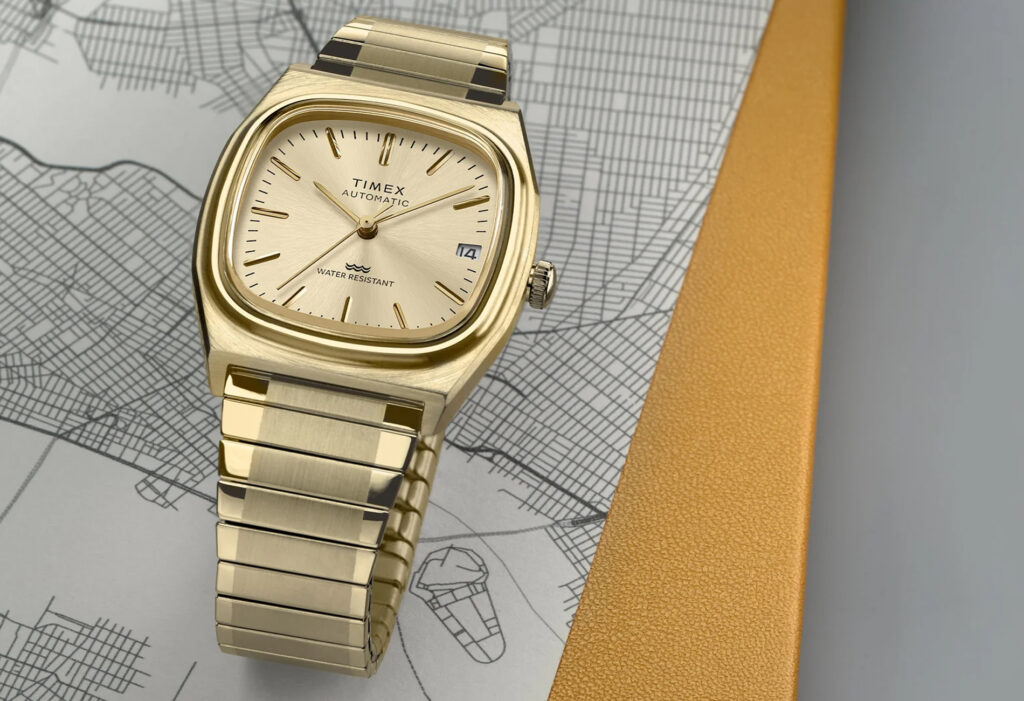
It was love at first sight when I was sent this $219 automatic for a photo shoot in December, and I am tempted to buy all three colors.
Seiko’s 5 Sports line, first seen in 1968, has been delivering on-trend bangers and exciting collabs since the family was brought back five years’ ago.
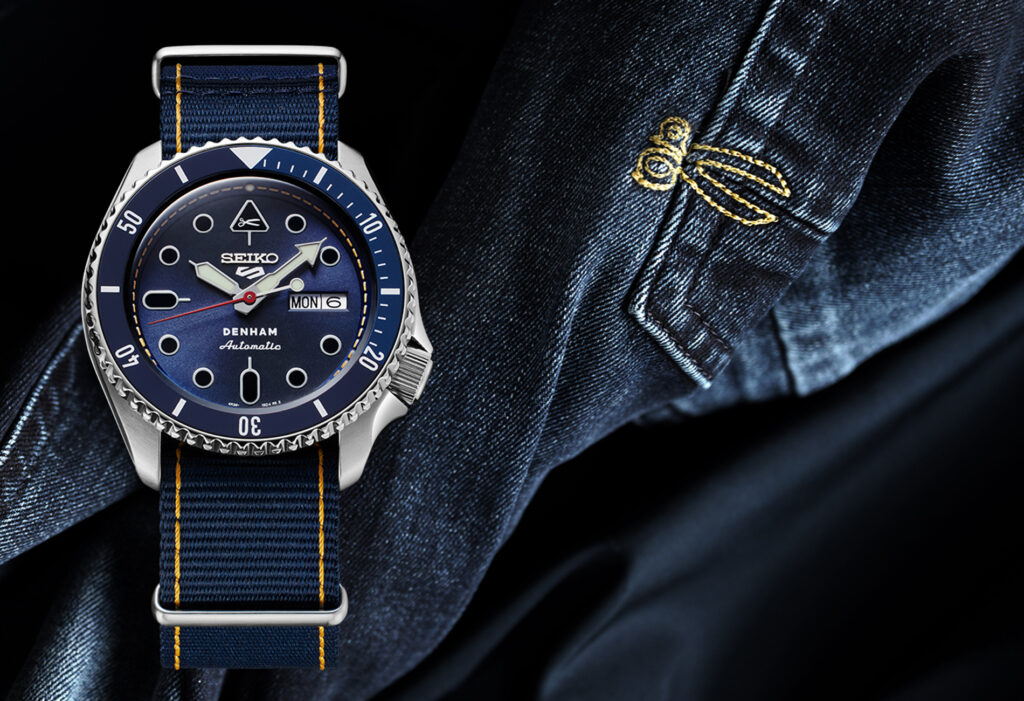
Recent collaborations with HUF and Denham are just the latest in a long line that keeps the collection fresh and opens it up to huge new audiences.
Citizen and Bulova are making exceptional watches for three-figure prices that directly compete with microbrands, but have the backing of a multi-billion Japanese parent group.
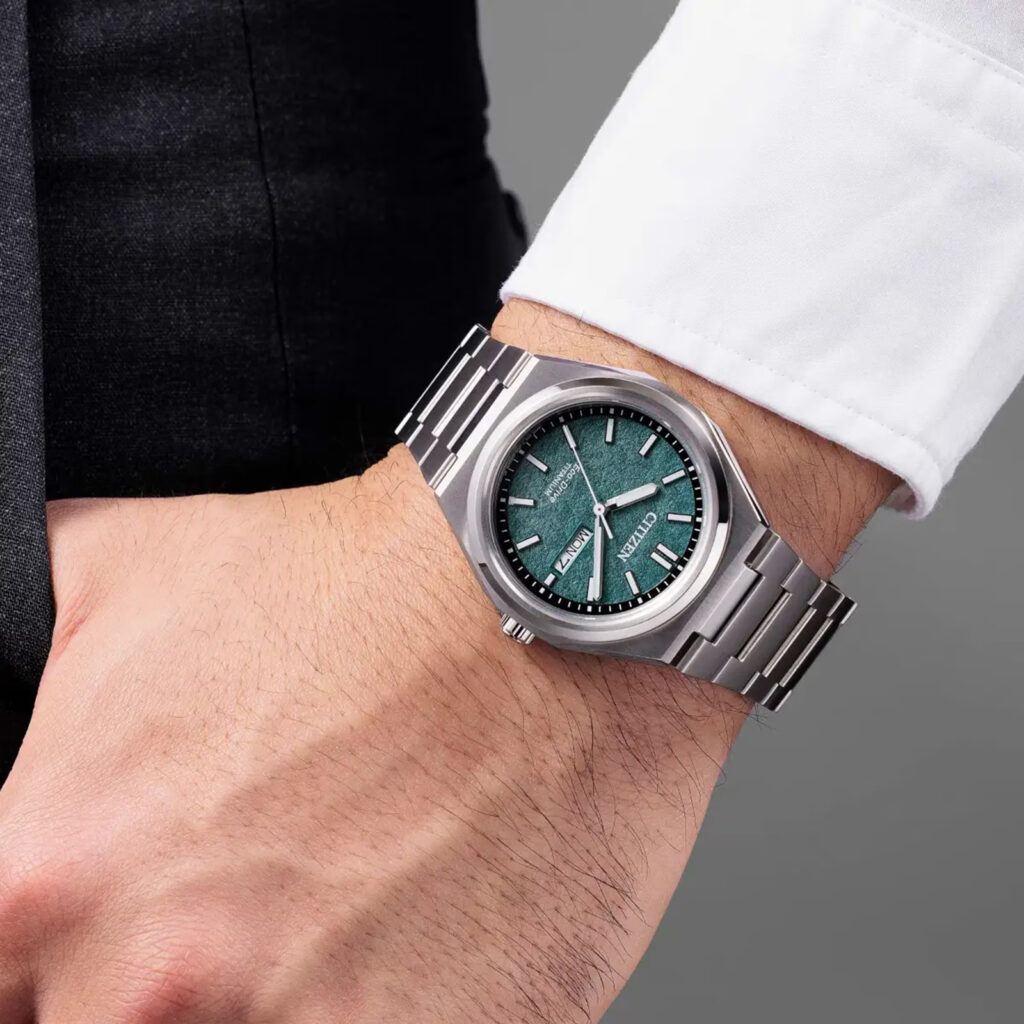
My pick of the pieces from 2024 was Citizen’s Zenshin Super Titanium watch, a steal at just $500 for a solar-powered quartz watch in super-lightweight and strong metal.
Zodiac is a group brand, owned by Fossil Group, that acts more like a microbrand and is a regular exhibitor at shows like the Wind-Up Watch Fair in the United States alongside the most innovative indies.
Cool collabs, color combinations and interesting materials like stone dials are hallmarks of the micros, but Zodiac is doing these things at scale.
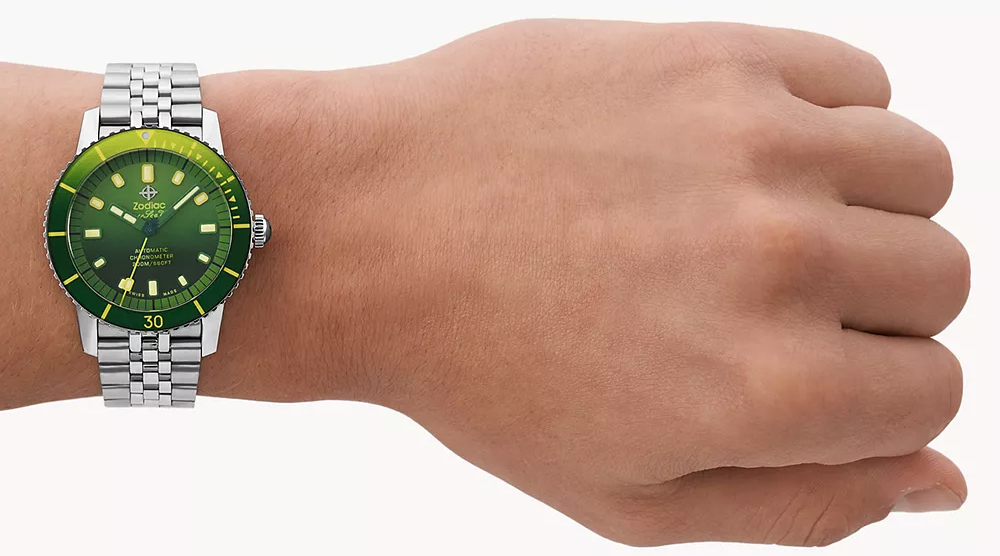
I particularly liked the $1,695 Super Sea Wolf Compression Diver Automatic designed with help from aBlogtoWatch founder Ariel Adams for its green and yellow tropical styling.
You get the point.
People love discovering new brands with exciting, creative owners that bring deep horological knowledge, creative flair and thoroughly modern thinking to our industry, but the big beasts will respond, and I expect them to remind the world that they grew to become multi-billion dollar businesses for a reason.