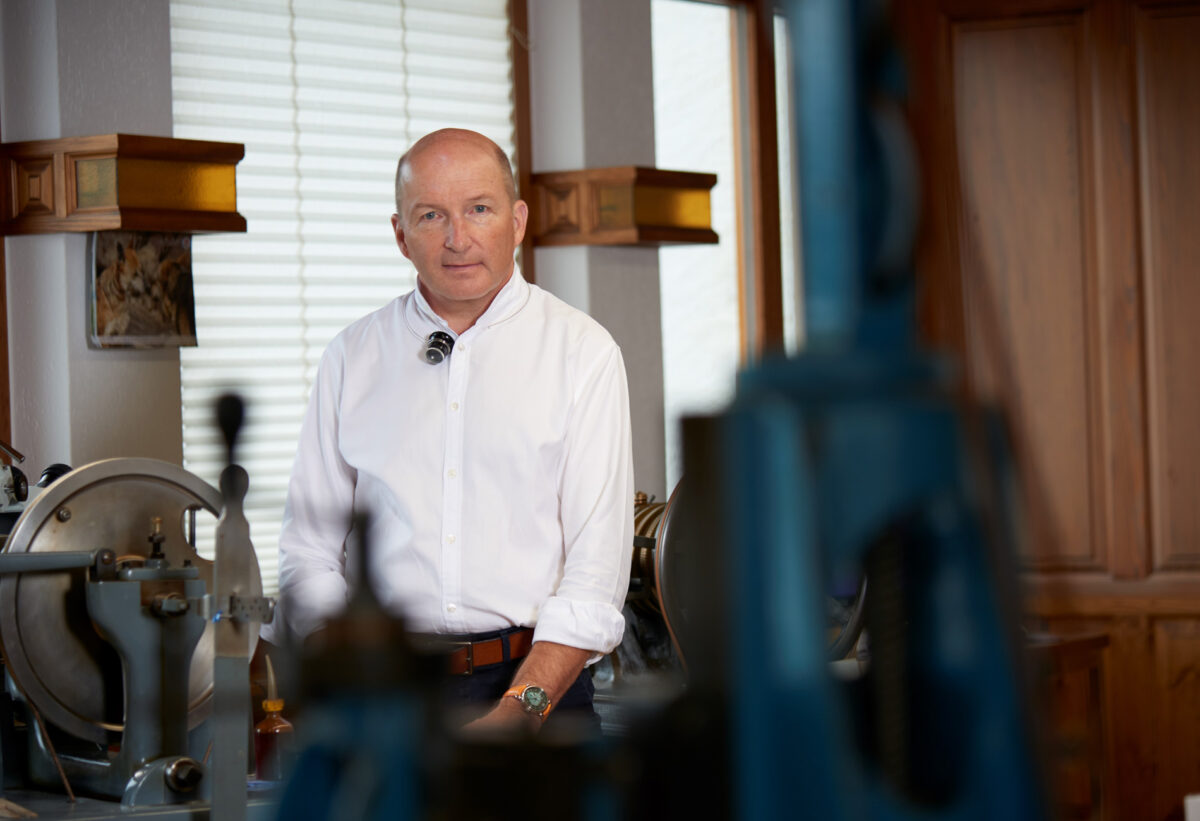
Few watchmakers embody the continuity between past and present quite like Kari Voutilainen.
Trained in Finland before honing his craft at WOSTEP and later at Parmigiani Fleurier, he built his reputation as one of the finest traditional watchmakers of his generation before establishing his own manufacture in 2002.
Today, through a network of interconnected businesses — from dial-making and case production to rare métiers such as engine turning and enamel work — Voutilainen is not only creating some of the most refined watches in contemporary horology, but also safeguarding the artisanal skills that underpin them.
In an era of industrial scale and digital influence, his workshop in Fleurier stands as a deliberate counterpoint: a place where historic techniques are not preserved in theory, but practiced daily.
WatchPro: You appear to be involved in an ever-widening range of projects across brands and suppliers these days. If you look at a typical month, quarter or year, how are you dividing your time?
Kari Voutilainen: That’s a difficult question, because things have changed in the [Voutilainen] workshop. For more than four years now, we have had a chief executive, Angélique Singele, which has made a big difference. I no longer handle the operational side of the business — running the office, managing the team, planning — all of that is now handled by her.
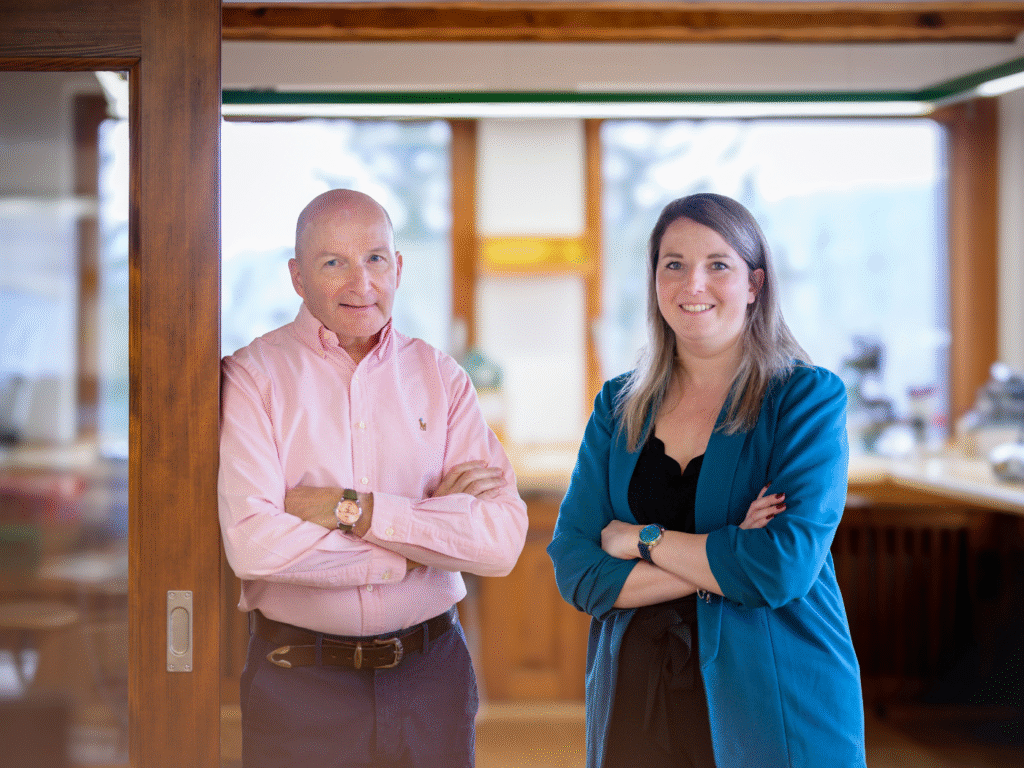
A trained watchmaker, an engineer in watch design, and holder of a Swiss Federal Diploma in SME Management, she combines technical expertise, deep product understanding, strategic vision, and strong leadership.
That change was necessary because it had become too much. Now she takes care of planning, organisation and day-to-day operations, which frees up my time significantly.
What I do instead is focus on customers and on watchmaking itself. I am still at the bench every day, working as a watchmaker, and that is what I enjoy the most. Alongside that, I spend time on the creative side: developing ideas with the team, working with the designers and deciding what we will create next.
We also have collaborations, but those are organised by the CEO, so they do not take too much of my time. Overall, I have stepped back from operational work and shifted towards customers, creativity and the bench.
At one point, I also felt that it did not make sense to continue with the same movements or the same aesthetic design. We needed to turn the page and create movements that relate to history but are also modern.
That led to the development of new movements, for example, one with a central barrel and a very clean architecture inspired by an oval pocket watch. It’s a very pure movement, but technically quite complex, especially in a small diameter.
The challenge was also aesthetic. We did not want to copy anything. Creating something genuinely new is always difficult because you have to move away from your existing ideas. But we achieved that.
We also developed another time-only movement inspired by pocket watch architecture, but again modern, with a long power reserve and contemporary escapement. All of this has taken a lot of work.
WatchPro: How large is your workshop today, and what capabilities do you have in-house?
Kari Voutilainen: In Voutilainen watches, we have around 45 people making watches. Including the dial factory and case factory, we are about 80 people in total.
The dial and case factories also produce for other companies, and there are separate teams managing those operations. I actually go there almost like a customer. I don’t interfere too much, because I want to keep my mind free.
That’s also why I avoid social media. I don’t want to be influenced by what others are doing. I prefer to keep my thinking independent.
WatchPro: That’s interesting — several executives have said the same thing about avoiding influence and focusing on original thinking.
Kari Voutilainen: Yes, there is so much information today. I already feel busy enough, so I don’t need more input. I follow the news, but I avoid social media. I don’t feel like I am missing anything, and it helps me keep a clear head.
WatchPro: Demand clearly exceeds supply for your watches. Do you feel pressure to increase production?
Kari Voutilainen: Not really. Our production has remained very stable.
Ten years ago, we were making around 40–50 watches per year. Today, it’s about 70. That’s not a big increase, but the watches are more complicated, and we produce more unique pieces.
We have expanded physically, though. About four and a half years ago, we moved into a new workshop on the mountain, about 250 metres above Fleurier. It’s a beautiful location, in a building that used to be a restaurant more than 100 years ago.
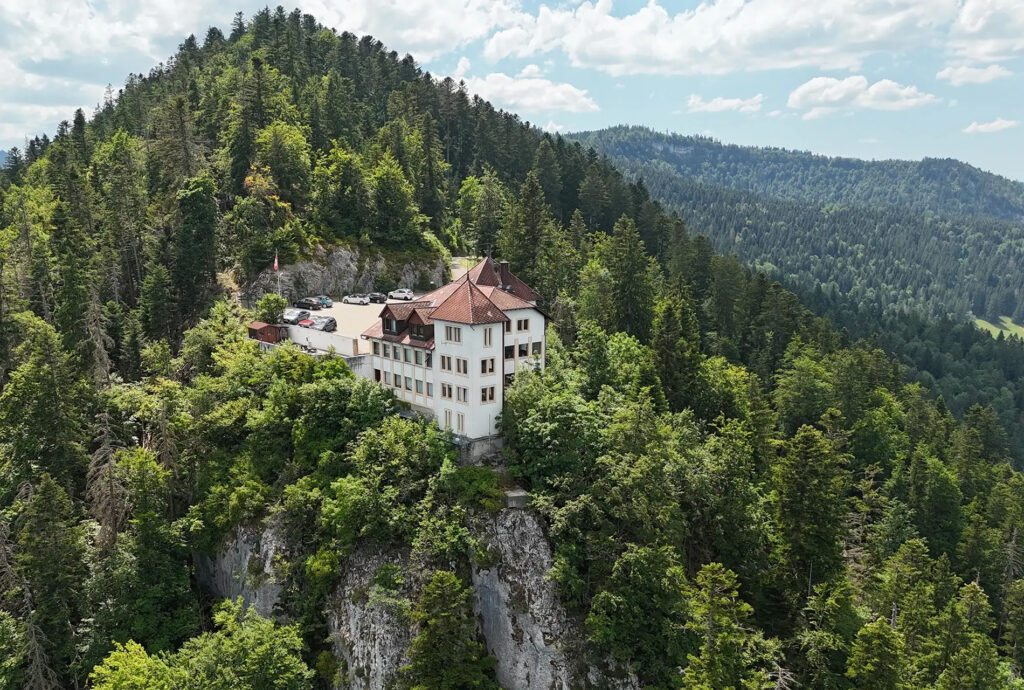
We also have a dial factory in the village, which I can see from my window, and another building that we acquired three years ago, a former watchmaking school built in 1896.
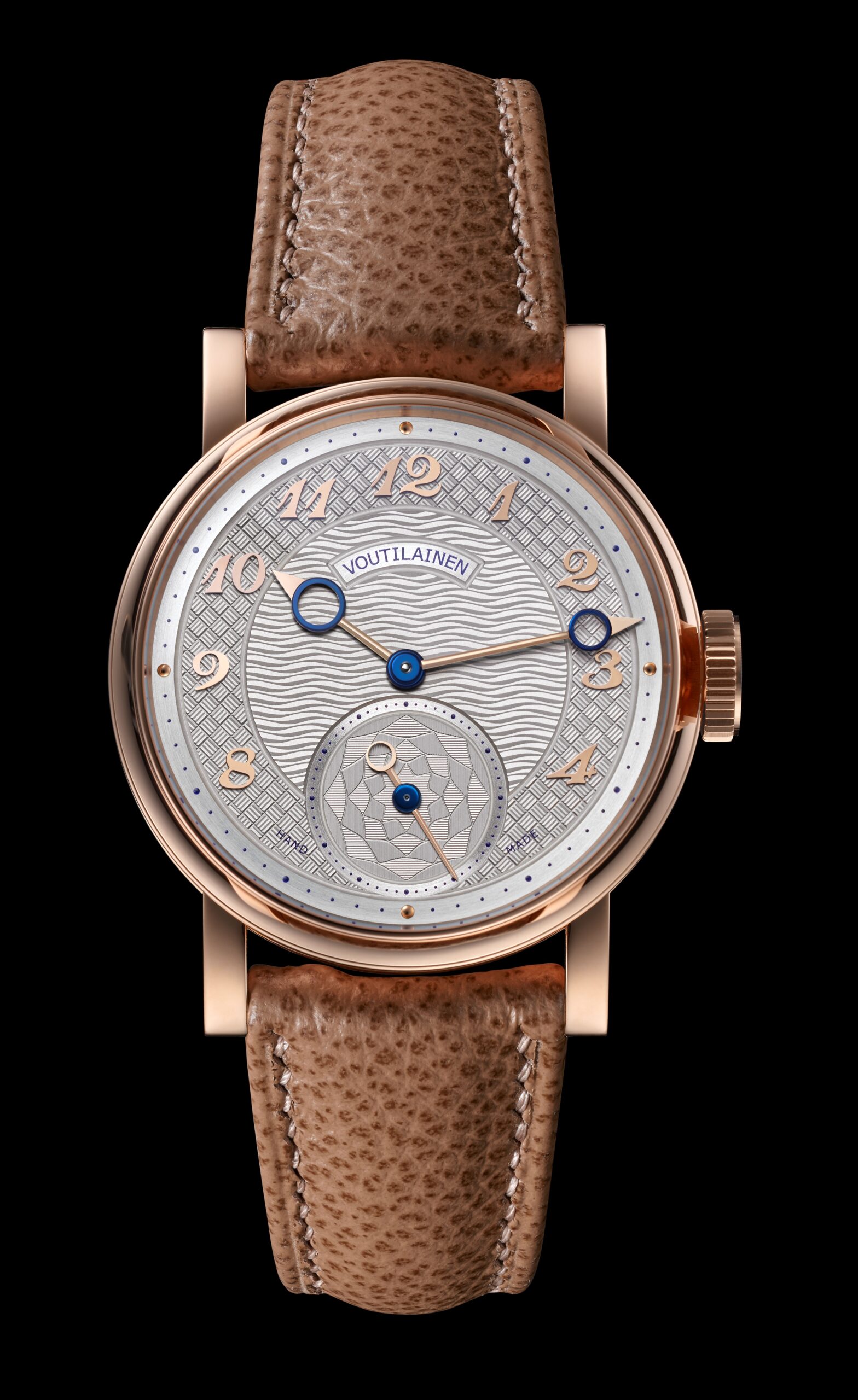
That building became available when the canton stopped using it, and I saw an opportunity. At the same time, I wanted to acquire an engine-turning company, because that skill is becoming very rare. There are only a couple of companies left in Switzerland.
I had already bought some machines, but I wanted more. When I saw the building become available, I contacted the owner of the engine-turning business and asked if he would sell. During lunch, I simply asked him if I could buy his company and, after a moment of silence, he agreed.
So we acquired both the building and had the machines installed at Brodbeck Guillochage. Now we have significant capability in engine turning, and that’s an important part of our future.
WatchPro: Why is engine turning so difficult to replicate with modern technology?
Kari Voutilainen: Because the quality comes from cutting the metal. When you stamp, the surface is matte. When you cut, you get a natural shine.
That subtle shine is essential to the aesthetic. Modern techniques like laser or stamping cannot reproduce it in the same way.
WatchPro: It sounds like your investment is as much in people and skills as in machinery.
Kari Voutilainen: Absolutely. We have a very young team, and I think that’s important. Young people bring energy, and they are willing to learn.
The challenge is that many of the skills we need are not taught in school. Schools teach how to assemble and repair watches, but not how to manufacture and finish components at the highest level.
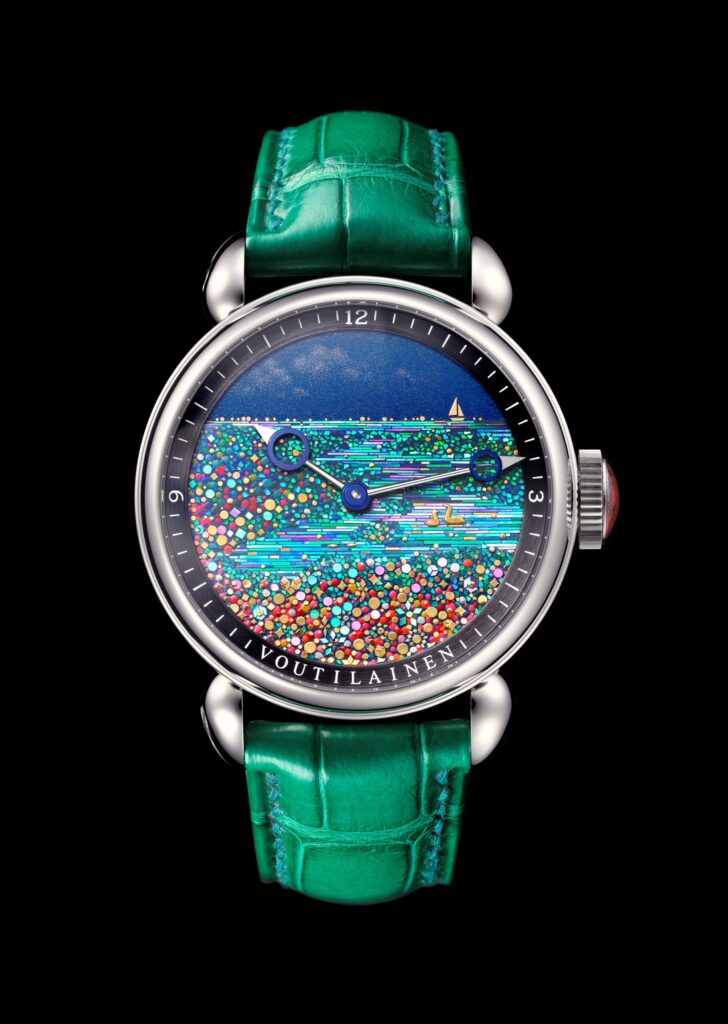
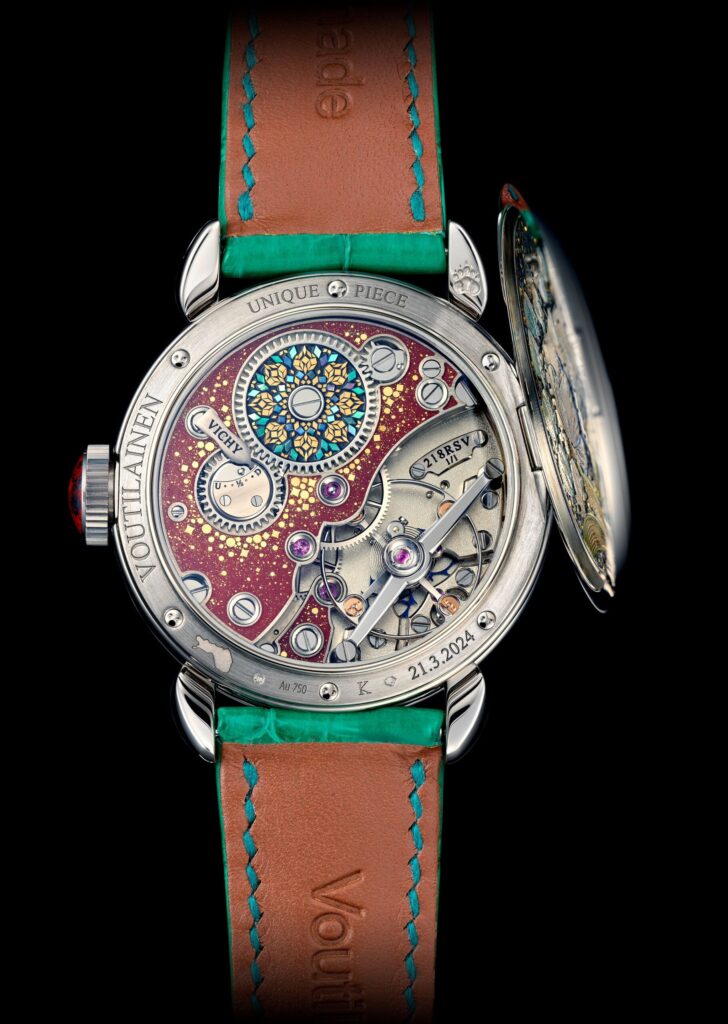
In our workshop, we make almost everything ourselves. For example, in the industry, you might buy a complete balance wheel. We don’t. We make the balance, we buy the hairspring blank, we manufacture the components, we decorate them separately and then assemble everything.
Our balance wheel has 14 components. That level of work takes time, and it requires skills that are not formally taught.
WatchPro: There seems to be a gap in education at that level. Have you considered creating your own school?
Kari Voutilainen: We already own a school building, but I don’t plan to create a traditional school. However, for engine turning, there is no formal education at all. People learn on the job. There is no written knowledge — it is passed on through practice.
WatchPro: It feels like this is a good moment for young people to look at watchmaking as a career, particularly at the high end.
Kari Voutilainen: Yes, watchmaking is a very interesting profession. The theory of watchmaking was largely established in the 18th century, and it hasn’t changed fundamentally. That’s remarkable. At the same time, there is a future, because we need to maintain antique watches and continue modern production. It’s a very rewarding profession.
WatchPro: There is also a growing appreciation for vintage watches, which is expanding demand for restoration and other more advanced watchmaking skills.
Kari Voutilainen: Yes, that has changed a lot. In the 19th century, watches were rare. In the 20th century, industrialisation brought mass production, and companies competed on precision. Then came the quartz crisis, and precision became less meaningful because quartz was so accurate.
Now, people are rediscovering mechanical watches. Vintage watches that were once inexpensive are now highly valued. Younger collectors appreciate them, and they need to be serviced, which increases demand for watchmaking skills.
WatchPro: Customer experience also seems increasingly important. Clients want to visit and engage directly with the brand.
Kari Voutilainen: Yes, that’s very important. Customers want to see where watches are made, how we work, and who is involved. We have visitors every week, sometimes several per week, sometimes multiple per day.
This connection is important for them, and also for us. It’s one reason why I want to keep the company at a human scale. That allows us to meet customers personally and build real relationships.
WatchPro: Do you sell mainly directly to customers, or through retailers?
Kari Voutilainen: We have a few retail partners, but the majority of our watches are sold directly. The difference is that with direct sales, we meet the end customer. That creates a different kind of relationship — more personal, more relaxed.
WatchPro: How do new customers find you?
Kari Voutilainen: Often through existing clients. People bring their friends. Exhibitions also play a role, and social sharing helps, even if I am not personally involved in social media.
WatchPro: Do you worry that demand for artisan independents like Voutilainen could decline again?
Kari Voutilainen: I’m not worried, but I’m realistic. Nothing is stable. We’ve seen this in many industries. Conditions change: politics, taxes, economic cycles. Demand can shift. That’s just part of life. You cannot assume that current conditions will last forever.
WatchPro: You recently stepped down as CEO of Urban Jürgensen, but remain on the board. How is the project progressing to bring this historic marque back to life?
Kari Voutilainen: The launch has been completed, and we are now delivering the first models. We are working on future developments, staying true to Danish design principles. Production will be higher than for Voutilainen, but everything takes time.
The project started during the pandemic, which made things very difficult. Supply chains were disrupted, and demand surged unexpectedly when markets reopened.
It took several years to stabilise. Now things are improving, and we are focusing on organising production and developing new ideas.