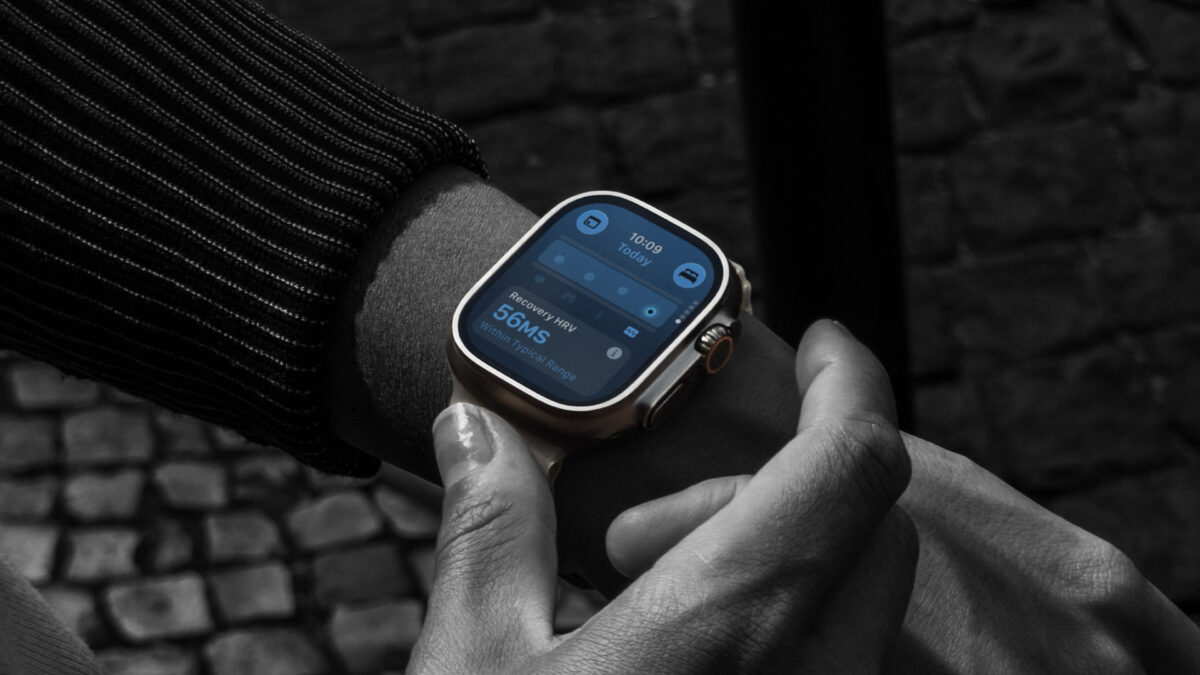
Apple is taking another swing at the serious sports watch market with Apple Watch Ultra 4 adding significantly improved health monitoring, longer battery life and a new generation of artificial intelligence features.
The fourth generation of Apple’s flagship smartwatch arrives at a time when the Apple Watch business appears to have rediscovered its momentum after two difficult years.
Apple Watch Ultra 4, which goes on sale on September 18 priced from $799 in the United States, retains the familiar titanium architecture of the Ultra family, offered in natural or black titanium.
Under the hood, a new S11 processor works with what Apple calls its Health Sensing System, using redesigned optical and electrical heart sensors to deliver what the company claims is the most accurate heart-rate sensing of any wearable.
Heart rate can now be measured every five seconds throughout the day, while heart-rate variability (HRV) measurements are taken up to 24 times more frequently.
Apple is using that additional data to introduce a Readiness score that combines activity, training load, sleep and vital signs to produce a daily score from zero to ten, accompanied by recommendations ranging from Recover and Pace Yourself to Ready and Go For It.
Battery life, historically one of Apple Watch’s biggest disadvantages against specialist sports watches from the likes of Garmin, has also improved, although charging every night is likely to remain a habit for most.
Ultra 4 offers up to 50 hours in normal use and 84 hours in Low Power Mode. An extended workout setting can record runs, walks and hikes for as long as 45 hours, while continuing to take GPS readings every second.
There is also a broader push into AI.
Audio Intelligence can recognise important sounds, recall the previous 15 seconds of a conversation as text with Live Rewind, and produce Siri Recap summaries of conversations.
Apple Watch Financials
The investment in new features comes as Apple attempts to reinvigorate the world’s largest smartwatch franchise.
Apple does not disclose Watch sales separately, so comparisons rely on analyst estimates.
Counterpoint Research says Apple Watch shipments increased by 27% in 2021, were flat in 2022, fell 10% in 2023 and then plunged another 19% in 2024.
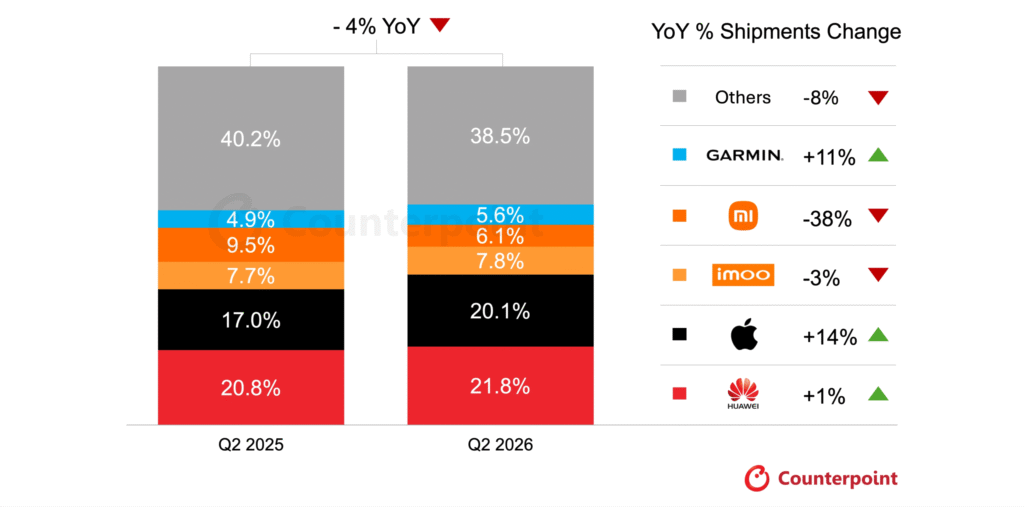
The trend reversed in 2025, when Apple Watch shipments increased by 8%, its first annual growth since 2022, helped by a comprehensive refresh of the Watch portfolio.
The recovery has continued into 2026. Counterpoint estimates Apple Watch shipments grew 14% year-on-year in the second quarter, although Huawei overtook Apple globally during the period with 22% of smartwatch shipments against Apple’s 20%.